7-Day Free Trial — No Credit Card Needed

Start Speaking Conversational English the First Week.

Learn to think in English and speak with confidence through picture stories.

Download on the App Store Get it on Google Play

✓ Free for 7 days    ✓ Cancel anytime    ✓ Start today
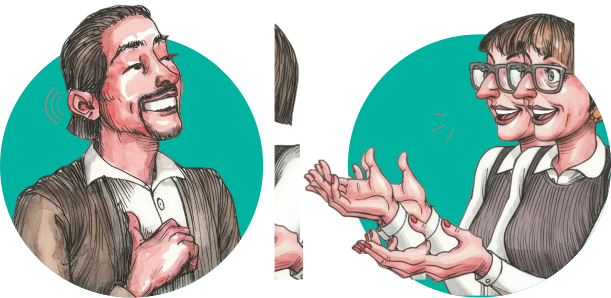
Two people having a conversation in English
Thousands have learned using this method

Real Stories. Real English.

English conversation story 1
English conversation story 2
English conversation story 3
English conversation story 4
English conversation story 5
English conversation story 6
English conversation story 7
English conversation story 8

Exploring English

Video thumbnail

Watch how our audio-visual method gets you speaking in your very first session

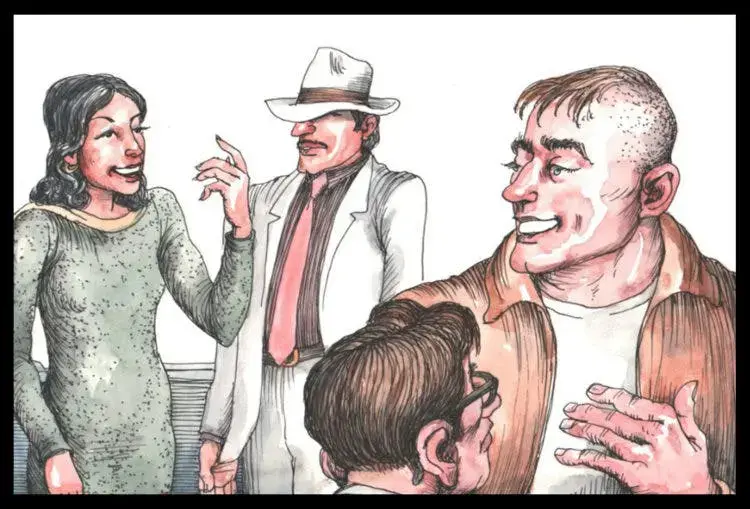
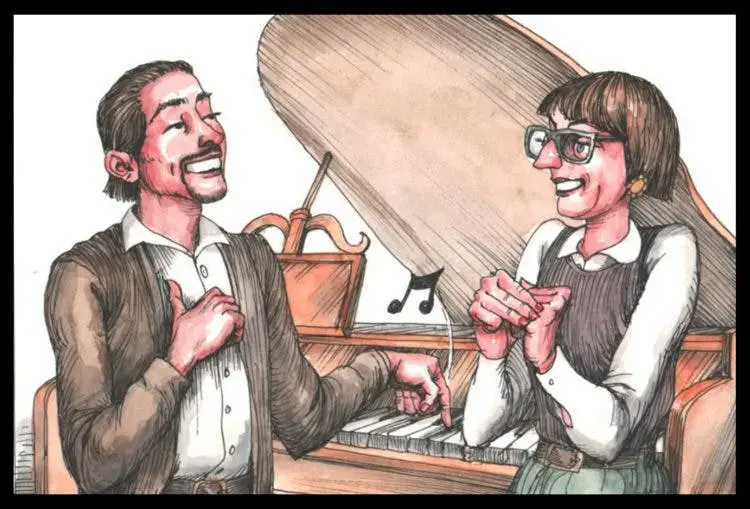
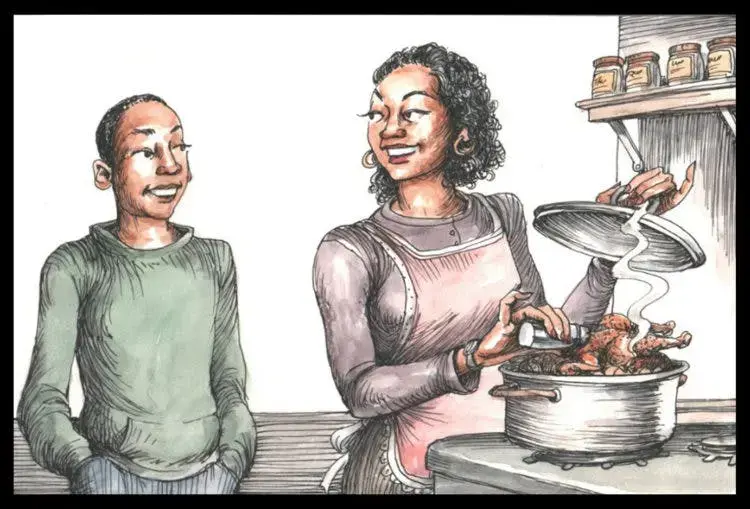
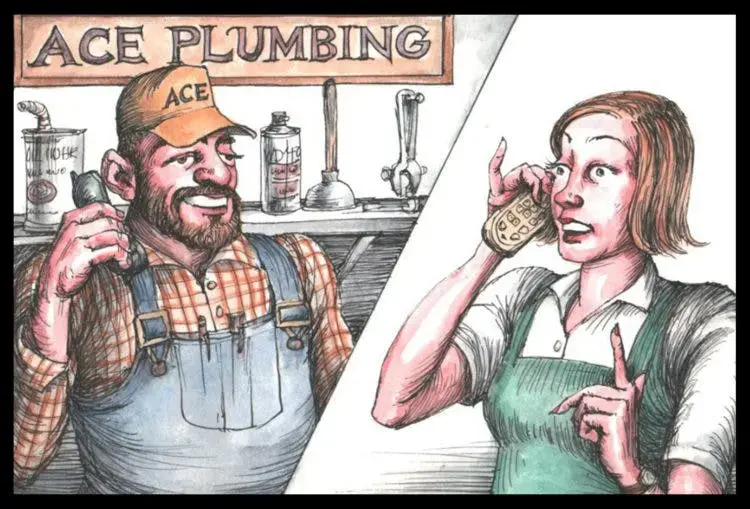
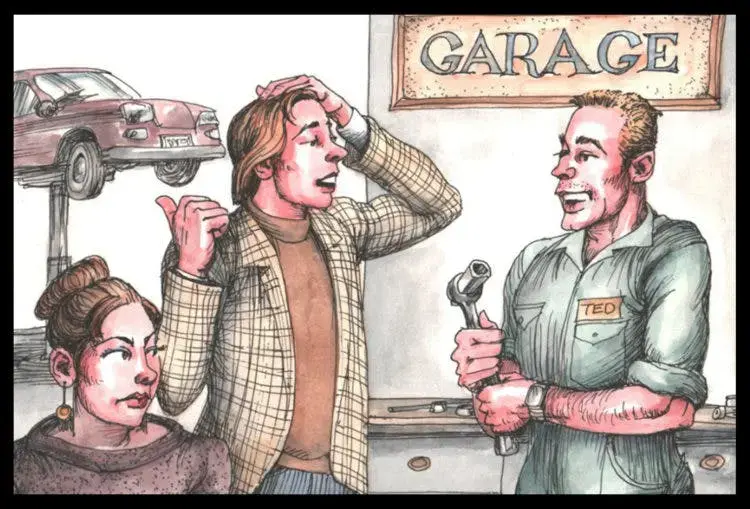
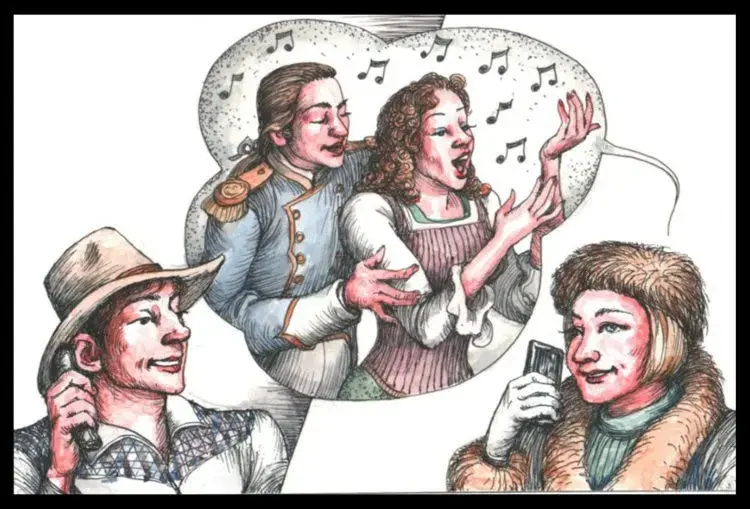
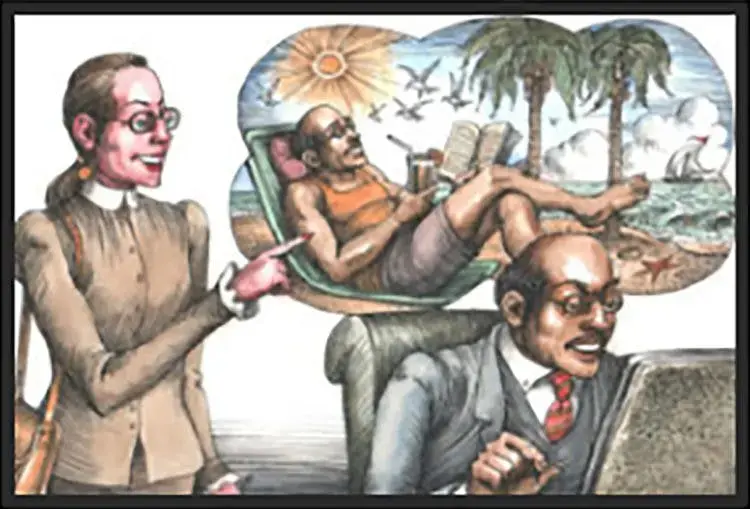
If you want to speak English with confidence, you have to think in English. To get there, you need a lot of practice listening to English speakers in everyday situations. The problem is how to listen and understand naturally without reading translations at the same time. Exploring English has the solution: CARTOON STORIES!

These "illustrated conversations" use action pictures to help you understand spoken English. More than words and phrases, the pictures help you understand English conversations. This is the easiest way to start thinking in English and there is a big advantage: you will develop your listening and speaking skills much faster.

With Exploring English, you will learn very practical language that you can use in real life. In addition, the illustrated conversations are a great way to learn grammar and vocabulary in context. Just what you need to improve your English fluency!

Key Benefits

Everything you need to speak with confidence

Understand Spoken English

Understand Spoken English

The Picture Stories are fully illustrated to help you understand what the speakers are saying. More than words and phrases, the visuals help you follow real English conversations.

Start Communicating Right Away

Start Communicating Right Away

Learn practical language, including essential words and phrases for immediate communication. Feel confident knowing what to say in everyday, real-life situations.

Improve your English Pronunciation

Improve your English Pronunciation

Record each line of dialogue by imitating native speakers. Then compare your voice to standard American pronunciation to improve clarity and speak more naturally.

Think in English and Speak with Confidence

Think in English. Speak with Confidence.

Watch Picture Stories, listen to conversations, and speak naturally without translating in your head. Our audio-visual method helps you build confidence and improve fluency faster.

Download on the App Store Get it on Google Play

Real users, real success.

"This app is great for any Spanish speaker who wants to learn how to think in English. Learning through cartoon stories is a super effective way of learning English and how to have daily conversations."

Madison P.

Single Mother · Construction Worker

"Superior Program! Great illustrations and easy to follow directions. I have taught from elementary to high school and really appreciated the easy to follow instructions."

Benjamin R.

Father of 3 · Teacher

"Great for instant speaking! This is very understandable and it breaks it down slowly so you can make sure you're saying all the parts correctly. A very natural way to learn."

Sasha T.

Co-Parent · Yoga Instructor

How It Works

The total learning experience.

Six integrated activities that take you from first listen to confident speaker — one story at a time.

Listening

Watch the pictures as you listen to the story. The actions, facial expressions and body language of the speakers will help you guess what they are saying. You will get the gist of their conversations even if you don't understand all of the words. Guessing meaning from context is an essential listening strategy that you will find very useful in real life when you have conversations in English.

Listening & Reading

As you have done previously, use the visual clues from the pictures to guess the meaning of the sentences as you listen to the audio. Translations are provided in your native language, so you can check and make sure that your guesses are correct. With repeated practice, your listening skills will improve dramatically and you will be able to understand everyday conversational English.

Quiz

Each conversation is broken up into 12 mini-conversations. Read the text of each mini-conversation while listening to the audio. Then translate the mini-conversation silently, sentence by sentence, into your native language. There is a pause for you to translate each sentence before the correct translation appears on the screen. Repeat this activity and pick out all the sentences that you were unable to translate. Then review and practice unfamiliar words and phrases until you have a good understanding of the whole conversation.

Speaking

Look at the pictures, listen to the audio, and mimic the words and phrases you hear. The pictures make it easier to understand and imitate spoken language. Imitating speech – without relying on a written text – is one of the best ways to develop your listening and speaking skills, along with proper pronunciation. In fact, your ability to imitate what you hear is a strong predictor of your success in learning to speak a new language. The more you practice, the better you get.

Reading Aloud

As you read aloud each line of dialogue, try to match the rhythm and intonation of the characters in the stories, as if you were an actor. This will help you sound more natural when you speak English. To improve your fluency, repeat this activity many times until you can produce whole sentences without hesitating. This is very good training for anyone who wants to speak English with confidence and sound like a native speaker.

Pronunciation

Listen to the audio and read each line of dialogue out loud. Try to match as closely as possible the pronunciation of the native speakers. Then listen to both versions and compare your pronunciation to standard American pronunciation. Later, when you feel more confident, you can listen to the audio again and repeat what you hear without reading the text. With regular practice, you will learn to speak English naturally and with good pronunciation.

Exploring English really works!

Frequent interaction with illustrated conversational stories will enable you to learn grammar intuitively, understand and use many common phrases, and master the most important language functions. These are the essentials you need to speak English with confidence.

Grammar

Each level contains 16 illustrated stories that show how basic grammatical structures are used in conversational English. As you watch and listen to the stories, you learn how different verb tenses are used to talk about events in the past, present and future, how adjectives are used to describe people and places, and so on. Repeated exposure to basic structures in context enables you to recognize patterns and understand how the language works. You develop a "language sense," a working knowledge of grammar that carries over into your daily use of English.

Common Phrases

One of the best ways to improve your fluency is by using chunks of language – common phrases and expressions – whenever you engage in conversation. Putting sentences together word-by-word takes longer because you have to stop and think about what you are doing. Native English speakers achieve fluency by using language chunks that they have used many times before without thinking about them. Memorizing rules of grammar and lists of isolated vocabulary words is not an efficient way to build fluency. You are much better off listening to, absorbing and repeating useful phrases that you understand.

Exploring English enables you to learn hundreds of common phrases and expressions in context through illustrated conversational stories. Each story is followed by a series of integrated activities that recycle the phrases and expressions introduced in the story. Repeated practice puts these language chunks – the building blocks of fluency – into your long-term memory. When this happens, you can recall ways of saying things and express yourself with much greater confidence.

Language Functions

Native English speakers use specific phrases for practical purposes, such as greeting people, introducing yourself, or starting a conversation. These are called language functions. Learning the phrases that are associated with these functions will make you a better communicator. The Exploring English program features illustrated conversational stories and a range of activities that provide many opportunities to practice language functions in context. This kind of practice will boost your confidence when you speak English in real life because you already know what to say – just like a native.

Grammar Beginner

Lesson 1   Katy's Café

The verb be
How are you? / I'm good.
this / that
Is this seat free? / Who's that guy?
a/the
I'm a musician. / How's the coffee?

Lesson 2   Candy's Boyfriend

The verb like
I like this music.
Adjectives: big, strong
The big guy. / He's very strong.
Possessive adjectives: my, your
What's your name? / My name is Rico.

Lesson 3   Italian Boots

The verb need
I need a pair of boots.
these/those
Do you like these brown boots? / Can I see those white boots?
Adverbs: very/so
These boots are very stylish. / Why are they so expensive?

Lesson 4   Dinner's Ready!

The verb want
Do you want more chicken?
Imperatives
Please sit down. / Please pass the bread.
Conjunction: and
Chicken and potatoes.

Lesson 5   Big Money

Present continuous
What are you doing? / I'm waiting for a friend.
There is
There's a free concert today.
Telling time
What time is the concert? / Three o'clock.

Lesson 6   Wonderful Miss Deeds

The verb have
I have a headache.
some / any
I have some water. / I don't have any water.
Adverb: too
I'm too busy.

Lesson 7   Lulu's Late

Question with when
When does the meeting start?
How much…?
How much do I owe you?

Lesson 8   Calling from Paris

Prepositions: from/for
I'm calling from Paris. / I'll be here for three days.
Present continuous
Are you eating French food? / I'm eating French fries.

Lesson 9   Betty's New Hat

There is / There are
There's a big sale... / There are so many hats.
Question with which
Which hat do you like best?
Pronoun: one
Do you like this one?
Preposition: like
You look like a movie star.

Lesson 10   Major Mouse

Preposition: with
Can I speak with Jenny, please?
Want to
Do you want to go to a movie?
Adverb: enough
Is twenty dollars enough?

Lesson 11   The Art Museum

Giving directions with imperatives
Turn right on Second Avenue.
Prepositions: in/on/at
This is my first time in America. / The Art Museum is on Main St. / Have a good time at the museum.

Lesson 12   Katy and Sam

Adjective: only
I'm the only waitress.
do and make
What do you do for a living? / You make great coffee.
Would you like…?
Would you like more coffee?

Lesson 13   Jim's New Girlfriend

What's she like?
She's outgoing and a lot of fun.
What does she look like?
She's tall and thin...
Like to
She likes to help people.
Frequency adverbs: always, often
We always have a good time together. / She's often late.

Lesson 14   My Daily Routine

Simple present
How do you get to work? / I drive to work.
Frequency adverbs: usually, sometimes
I usually have cereal for breakfast. / Sometimes I listen to music.
Like + verb + -ing
Do you like teaching?
Have to
I have to leave at 7:30.

Lesson 15   Your Family

Conjunctions: so, or, but
So your parents are pretty young. / Do you have any brothers or sisters? / Sarah's kind of shy, but she's smart.
Possessive 's
My brother's name is Jack.

Lesson 16   Saint Petersburg

There is / There are / There aren't
There's a famous theater on my street. / There are people and cars everywhere. / There aren't any parks in Fremont.
How often…?
How often do you go to the park?
Conjunction: where
Is it busy where you live?

Grammar Advanced Beginner

Lesson 1   It's an Emergency!

Imperative
Come here!
How much…?
How much do you charge?
Modal: can
Can you fix it? / I can fix anything.

Lesson 2   Apples for Louis

Need to
I need to buy some groceries.
Could for requests
Could you get some apples?
What kind…?
What kind of apples do you want?

Lesson 3   First Date

Can for requests
Can we sit at that table?
Conjunction: if
Is it OK if we share the bill?
Want to
Do you want to go for a walk?

Lesson 4   Dr. Feelgood

The future with will
I'll look at his schedule. / You'll be OK.
Imperative
Don't do that!
every
Take one tablet every four hours.

Lesson 5   Cora Benton

Past of be: was / were
She was a good athlete. / We were neighbors.
Simple past: regular verbs
She played basketball. / We lived on the same street.

Lesson 6   Peter and Felix

Simple past: irregular verbs
I ate an apple. / I took the bus.
Preposition: until
I read some magazines until two in the morning.
Conjunctions: before / when
I had two cups of coffee before I left the house.

Lesson 7   Computer Expert

Object pronouns: you, me, him, her
For you, maybe. / Not for me. / I see him. / I can't talk to her.
Relative clause with who
Some women like guys who are serious.
Adverb: even
I don't even know her.

Lesson 8   Looking for a Job

A lot of / much / many
You have a lot of magazines. / I have a lot of time to read. / I don't have much money. / There aren't many jobs.
How much…? How many…?
How much sugar do you want? / How many guests are there?
a little / a few
Just a little (sugar). / Just a few (guests).

Lesson 9   San Francisco

The future with going to
Are you going to take the train? / No, we're going to drive.
Conjunction: when
What are you going to do when you're in San Francisco?
Do you know where…?
Do you know where you're going to stay?

Lesson 10   That's a Terrific Idea!

Conjunction: after
What are you going to do after you graduate?
Adverb: yet
I don't know yet.
Would like to
I'd like to travel. / Where would you like to go?
Do you know what…?
Do you know what I'd really like to do?

Lesson 11   Private Lessons

Reflexive pronoun: yourself
Make yourself at home.
Modal: must
You must be a very good teacher.

Lesson 12   Business Lunch

Modal: may
May I speak to Mr. Garfield?
Indirect object pronoun: him
I'll give him your message.
Prepositions: on / at
Are you free on Tuesday? / Let's meet at 12:30.

Lesson 13   Car Trouble

The future with will
When will my car be ready? / I'll call a taxi.
Will for requests
Will you take me home, please?
Pronoun: one
You need a new one.

Lesson 14   Saturday Night

Present continuous for the future
A friend of mine is having a party (Saturday night). / Who's coming to the party?
Simple present for the future
What time does the party start? / It starts at eight.
Modal: should
Should I dress up for the party?
Conjunction: or
You can dress up or just wear jeans.

Lesson 15   A Picnic in the Forest

Past of can: could / couldn't
Then you could relax. / No, we couldn't.
Past continuous
He was coming toward us.
Pronoun: ones
We were the only ones there.

Lesson 16   You're the Boss

Preposition: to
She always comes late to work. / I have to find a solution to this problem.
Conjunction: that
What does she do that you don't like? / She complains that I give her too much work.
Verb + -ing
She's always on her cell phone talking to her boyfriend.

Common Phrases Beginner

1. Katy's Café

Hi, Mary. / How are you? / Fine, thanks. And you? / I'm good. / Who's that guy? / That's Gordon Chance. / Who's your friend? / This is Mary. / Nice to meet you. / Do you come here often? / What do you do? / I'm a teacher. / Very interesting.

2. Candy's Boyfriend

It's wonderful. / I like this music. / Me too. / Are you here alone? / Where's your boyfriend? / Which one? / He's a football player. / That's nice. / He's very strong. / Oh, really? / Do you like football? / Oh, yeah. / Mike, come here! / What's your name? / My name is Rico.

3. Italian Boots

Can I help you? / Yes, please. / I need a pair of boots. / Do you like these boots? / Not very much. / What do you think? / They're very stylish. / Can I try them on? / Of course. / How much are they? / Why are they so expensive? / Italian boots are the best. / I'll take them.

4. Dinner's Ready!

Where's Mom? / She's in the kitchen. / She's making dinner. / What's for dinner? / Is dinner ready? / Almost. / Two more minutes. / Please put these dishes on the table. / Sure. No problem. / Dinner's ready! / I'm coming. / Wow! / That chicken looks good. / Please sit down. / Are you hungry? / How's the chicken? / Delicious! / Please pass the bread. / That's better. / Do you want more chicken? / No, thanks. / I'm full. / That was a great dinner. / Thank you. / I'm glad you liked it.

5. Big Money

Are you busy? / I'm doing my homework. / See you (later). / Where are you going? / To City Park. / There's a free concert today. / I know. / What time is the concert? / Three o'clock. / Hey, Matt! / What are you doing? / You going to the concert? / See you there. / I'm ready. / Let's go!

6. Wonderful Miss Deeds

How are you doing? / Not so good. / What's the matter? / I have a headache. / I don't have any (aspirin). / Don't worry. / Oh, that's good. / Here you go. / What's wrong? / Thanks for your help. / Don't mention it. / Do you feel better now? / A little. / That's right.

7. Lulu's Late

Excuse me. / What's the address? / Are you in a hurry? / I'm late for a meeting. / When does the meeting start? / At 9 o'clock. / How far is the Plaza Hotel? / About 15 minutes from here. / Here we are...the Plaza Hotel. / How much do I owe you? / Have a good meeting. / I'm sorry... / It's OK.

8. Calling from Paris

Hello? / Hello, Maria. It's Roger. / I'm calling from Paris. / I'm here on business. / I'll be here for three days. / Where are you staying? / At the Hotel DeLuxe. / I'm having lunch. / Oh, you're so lucky. / What about you? / Are you sick? / I'm tired. / It's all right. / Good-night.

9. Betty's New Hat

I'm just looking. / Take your time. / Which hat do you like best? / Do you like this one? / Yes, very much. / How much is it? / Only $29. / That's a good deal. / That hat looks good on you. / You look like a movie star. / You really think so? / How do you like my new hat? / It looks ridiculous.

10. Major Mouse

Is that the phone? / Yeah, I'll get it. / Can I speak with Jenny, please? / Hang on a minute. / Jenny, it's for you. / Who is it? / It's your friend, Bob. / Are you free this afternoon? / Yeah, I'm not doing anything. / Do you want to go to a movie? / That sounds like fun. / Have fun, Sweetie.

11. The Art Museum

Can you help me, please? / I'm looking for the Art Museum. / Go straight ahead and turn right on Second Avenue. / Then go to Main St. and turn left. / The Art Museum is on the right side, across from the park. / I see. / Where are you from? / I'm from China. / You speak English very well. / Have a good time. / Good-bye.

12. Katy and Sam

Pretty good, thanks. / I'm exhausted. / Why are you so tired? / That's no good. / What do you do for a living? / Really? / Are you surprised? / You don't look like a taxi driver. / It's a pleasure to meet you. / Would you like more coffee? / What a nice compliment!

13. Jim's New Girlfriend

I hear you have a new girlfriend. / Tell me about her. / What's she like? / She's a lot of fun. / Do you like the same things? / Better than me. / What does she look like? / She's pretty tall and thin... / I bet she's good-looking. / And more than that... / I mean... / That's not a big deal. / Not for me, anyway. / There's just one thing. / Oh, well. / That's life.

14. My Daily Routine

What time do you get up? / What do you have for breakfast? / I usually have juice and cereal. / When do you go to work? / I have to leave at 7:30. / It's important to be on time. / How do you get to work? / Do you take the bus? / It takes about 40 minutes. / When do you finish work? / I get off at 3:30. / Then I go home. / Sometimes I listen to music. / That's a good way to relax.

15. Your Family

Tell me about your family. / We're like most families. / What do your parents do? / My father is a salesman. / My mother is a school nurse. / She takes care of little kids. / That's wonderful! / How old are your parents? / My father is 45... / They have a lot of energy. / Especially my dad. / Do you look like your dad? / Do you have any brothers or sisters? / What are their names? / My brother's name is Jack... / What's your brother like? / What about your sister? / Sarah is kind of shy. / Sounds like you have a wonderful family. / I'm just lucky, I guess.

16. Saint Petersburg

Do you live near the center of town? / Not far. / There's a famous theater... / What's it called? / Is that a movie theater? / Do you like opera? / I don't know much about it. / What's it like in Fremont? / It's pretty quiet. / There aren't many cars or people. / Is it busy where you live? / How often do you go to the park? / Why not? / There aren't any parks in Fremont. / By the way, how's the weather in Saint Petersburg? / It's cold. / There's a lot of snow.

Common Phrases Advanced Beginner

1. It's an Emergency!

Come here! / What is it? / That's terrible! / As soon as possible. / I can take care of that. / How much do you charge? / $75 an hour. / Can you come now? / I'm on my way. / I'll be there in 15 minutes. / Can you fix it? / You did a great job. / Here's a check for $160.

2. Apples for Louis

Are you going shopping? / Could you get some apples? / What kind of apples do you want? / I don't care. / I like all kinds. / Bye-bye. / Don't forget the apples! / They're all sold out. / I'm afraid I have some bad news. / What happened? / No apples! / I can't believe it.

3. First Date

What do you recommend? / It doesn't cost much. / Are you ready to order? / I'll have spaghetti. / Anything to drink? / Just some water, please. / Are you enjoying your dinner? / I'm not very hungry. / What about dessert? / No, thanks. / Can I have the check, please? / Is it OK if we share the bill? / I'll be right back. / I want to go home.

4. Dr. Feelgood

What's the matter? / I have a terrible pain in my arm. / I need an appointment with Dr. Feelgood. / Can you come in at three? / Yeah, that's fine. / How are you feeling? / Not so good. / My arm hurts every time I do this. / Don't do that! / Are you nervous? / Yes, a little. / I'm in pain. / It's not funny. / I'm sorry to hear that. / Can you help me, Doctor? / You'll be OK. / I hope so.

5. Cora Benton

Do you know Cora Benton? / Yes, I know her very well. / We went to school together. / Was she popular? / Yeah, Cora had a lot of friends. / We lived on the same street. / Did you grow up together? / That's right. / We were like sisters. / Was she a hard worker? / Nobody works harder than Cora.

6. Peter and Felix

You look tired this morning. / What time did you go to bed? / I went to bed at 10:30. / That's not very late. / I got up at six. / Did you have breakfast? / I ate an apple. / That's all? / I wasn't hungry. / Besides, I was in a hurry. / Are you having car trouble? / I made a big mistake... / Don't feel bad.

7. Computer Expert

I'm glad to see you. / How's it going? / Do you want to see my new computer? / Not now. Maybe later. / Let me show you. / I'm not interested. / What's wrong with that? / It's boring. / For you, maybe. Not for me. / See Dennis over there? / What about him? / It makes people laugh. / I didn't mean to hurt your feelings. / No, you're right. / You really think so? / There's no doubt about it. / Let's talk to Jane. / Come on. / I'll introduce you. / Well, all right. / Jane, meet Simon. / How interesting!

8. Looking for a Job

Are you busy? / That coffee smells good. / How much sugar do you want? / Just a little. / You're welcome. / How many guests are there? / Just a few. / Do you like working here? / I know what you mean. / So, how can I help you? / I hope it's not expensive. / I don't have much money. / That sounds good. / What brings you to Leadville? / I'm looking for a job. / Good luck.

9. San Francisco

What are you thinking about? / Are you going to drive? / We're going to take the train. / It's better. / I agree with you. / We're crazy about Chinese food. / You aren't the only ones. / When was the last time you were in San Francisco? / I can't remember. / It was a long time ago. / Would you like to come with us? / I'd love to, but I can't. / I have too much work to do. / That's too bad. / There's nothing I can do about it.

10. That's a Terrific Idea!

What's college? / What do you plan to do...? / I'm not sure yet. / Are you going to get a job? / Not right away. / I'd like to travel first. / Where would you like to go? / That would be great! / How's work going? / I can't stand working in an office all day. / Why don't you try something different? / I'm thinking about it. / You look tired. / And you're really good at it. / You're going to do very well. / Nobody can cook like you can.

11. Private Lessons

Please come in. / Make yourself at home. / How old is that easy? / It's 200 years old. / You have good taste. / That doesn't make sense. / Why don't you play the piano? / I can't anymore. / You must be a good teacher. / Good for you. / Oh, that's so exciting!

12. Business Lunch

May I speak to Mr. Garfield? / He's not in at the moment. / May I ask who's calling? / Can I take a message? / Did anyone call me? / You got a call from Mr. Stubbs. / Did he leave a message? / I have to go to the dentist. / Let's meet for lunch next week. / Good idea. / Are you free on Tuesday? / See you then.

13. Car Trouble

Your car doesn't look very safe. / Are you sure? / What are you going to do? / I don't know. / There's something wrong with my car's engine. / How far is the nearest garage? / About two miles from here. / Can you repair the engine? / It'll take a few days. / When will my car be ready? / I'll be there around 4 pm. / You must be joking. / Will you take me home, please?

14. Saturday Night

What's up? / Maybe some other time. / After that I'll be free. / Do you have any plans for Saturday night? / No, I'm not doing anything. / A friend of mine is having a party. / That'll be fun. / Who's coming to the party? / Should I dress up? / It's up to you. / I'll think about it. / I'll pick you up at 7:30. / Take care.

15. A Picnic in the Forest

How was your weekend? / We went on a picnic. / Did you take a lot of food? / What was the forest like? / You can't imagine. / We were the only ones there. / It was so peaceful. / It's good to get out of the city. / Anyway... / I bet you were hungry. / That's incredible! / Then what happened? / You did? / Just then it started to rain. / When we got home, we were exhausted. / I'll bet, after all that. / But it was worth it.

16. You're the Boss

Is something wrong? / I don't want to talk about it. / Come on. / You can tell me. / Well, to begin with... / I don't like the way she dresses. / What does she wear? / I can't even describe it. / Is there anything else? / Yes! / That's not all. / That's ridiculous! / That doesn't do any good. / She doesn't listen to me. / You want my advice? / You have to let her go. / You mean...I should fire her? / That's up to you. / I don't know. / It's very hard for me to do that. / You don't have any choice. / It's actually a problem. / Tell you what. / I'm going to give her one more chance. / And that's it. / You're the boss.

⚡ Early Bird Offer — Ends Soon

Only 100 spots available for our Private Beta launch!

Early Access pricing ends when the timer hits zero.

00Days
00Hours
00Minutes
00Seconds
Download on the App Store Get it on Google Play
FAQ

Frequently Asked Questions

Exploring English enables you to learn hundreds of common phrases and expressions in context through illustrated conversational stories. Each story is followed by a series of integrated activities that recycle the phrases and expressions introduced in the story. Repeated practice puts these language chunks — the building blocks of fluency — into your long-term memory.
Yes — grammar is woven naturally into every story. Instead of memorizing rules, you absorb correct grammar through repetition and context, the same way children learn their first language.
Most learners start producing real conversational phrases in their very first week. The audio-visual method is designed to get you speaking from day one, not after months of study.
Exploring English is designed for beginners eager to learn English — whether you're starting from scratch or looking to improve your skills. It's perfect for students, travelers, or anyone wanting to communicate better in English. The app serves as your go-to resource for structured lessons and practice, making language learning simple and engaging.
Our unique method of "illustrated conversations" through cartoon stories helps you understand spoken English without needing to read translations. This is the fastest way to start thinking in English, develop your listening and speaking skills, and achieve oral fluency.
Exploring English Subscription Pricing

3 months$9.95/month
6 months$7.95/month
12 months$4.95/month

Free Trial: 7 days, no credit card required.
Refund Policy:

Exploring English

For serious learners who like to have fun!

Download on the App Store Get it on Google Play